As time went on, Samhain evolved. When the Romans conquered Celtic territories, they blended their own traditions with those of the Celts. One notable festival was Feralia, a day in late October when the Romans honored the dead. Additionally, Pomona, the Roman goddess of fruits and trees, was celebrated at this time. Her association with apples is often linked to the custom of bobbing for apples, a popular Halloween game today.
In the eighth century, Pope Gregory III attempted to Christianize the pagan festival by declaring November 1 as All Saints' Day, a day to honor all saints and martyrs. The night before, October 31, became known as All Hallows' Eve, which later evolved into Halloween. Many traditions from Samhain and Roman festivals merged with this new holiday, including the practice of dressing up and going door-to-door for food.
The Halloween traditions we recognize today took shape in the United States during the 19th century, driven by a mix of Irish and Scottish immigrants who brought their customs to America. The custom of trick-or-treating emerged from the practice of "guising," when children would dress up and go from house to house, performing small tricks or songs in exchange for treats. Over time, these practices blossomed into the vibrant Halloween celebrations we enjoy today.
Costumes and Celebrations Over Time
Halloween costumes and celebrations have changed significantly over the years, evolving from ancient traditions to the vibrant festivities we see today. In ancient Celtic times, during the festival of Samhain, people donned disguises made from animal skins and heads. This was not just for fun; it was believed that these costumes would help ward off evil spirits. Ancient Celts would light bonfires and wear costumes to confuse any wandering spirits that might be out to harm them.
As centuries passed, especially with the spread of Christianity, Halloween began to take on new forms. By the Middle Ages, the practice of “mumming” emerged, where people would dress in costumes and visit homes to perform plays or songs. In exchange, they would receive food, a tradition that has its roots in the modern practice of trick-or-treating. During this time, costumes still reflected the supernatural but also included representations of saints and religious figures.
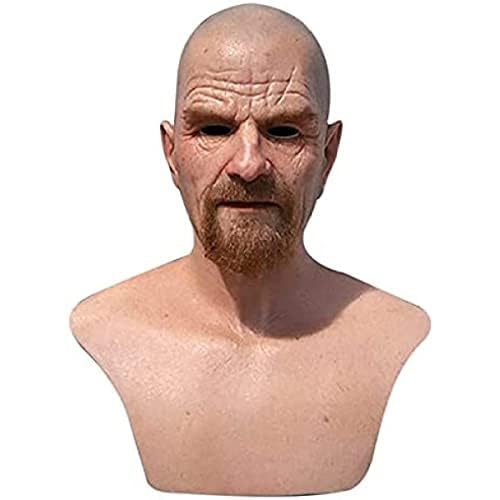
The 19th century brought a significant shift, especially in America, as Irish immigrants popularized Halloween celebrations. Costumes began to reflect a more whimsical and lighthearted approach. People started wearing homemade costumes, often fashioned from whatever materials they had on hand. Masks became popular, allowing revelers to embrace the spooky side of the holiday. This era marked the beginning of Halloween becoming a community-centric celebration.
In the 20th century, the commercialization of Halloween took off. Costume shops sprang up, offering a variety of ready-made costumes featuring everything from classic monsters to popular movie characters. The focus shifted from the spooky to the playful, catering to children and families. Modern celebrations now often involve school parties, pumpkin carving, and themed events, making Halloween a festive occasion filled with fun rather than fear.
Modern Halloween Customs Today
Modern Halloween customs have evolved significantly from their ancient origins, blending various traditions and cultural influences into a holiday that is both festive and fun. One of the most recognizable aspects of today's Halloween is the tradition of trick-or-treating. Each year, children don colorful costumes ranging from whimsical to spooky, knocking on doors in their neighborhoods to collect candy and treats. This custom has become a joyful rite of passage for many young ones, fostering a sense of community and excitement as they partake in the annual hunt for sweets.
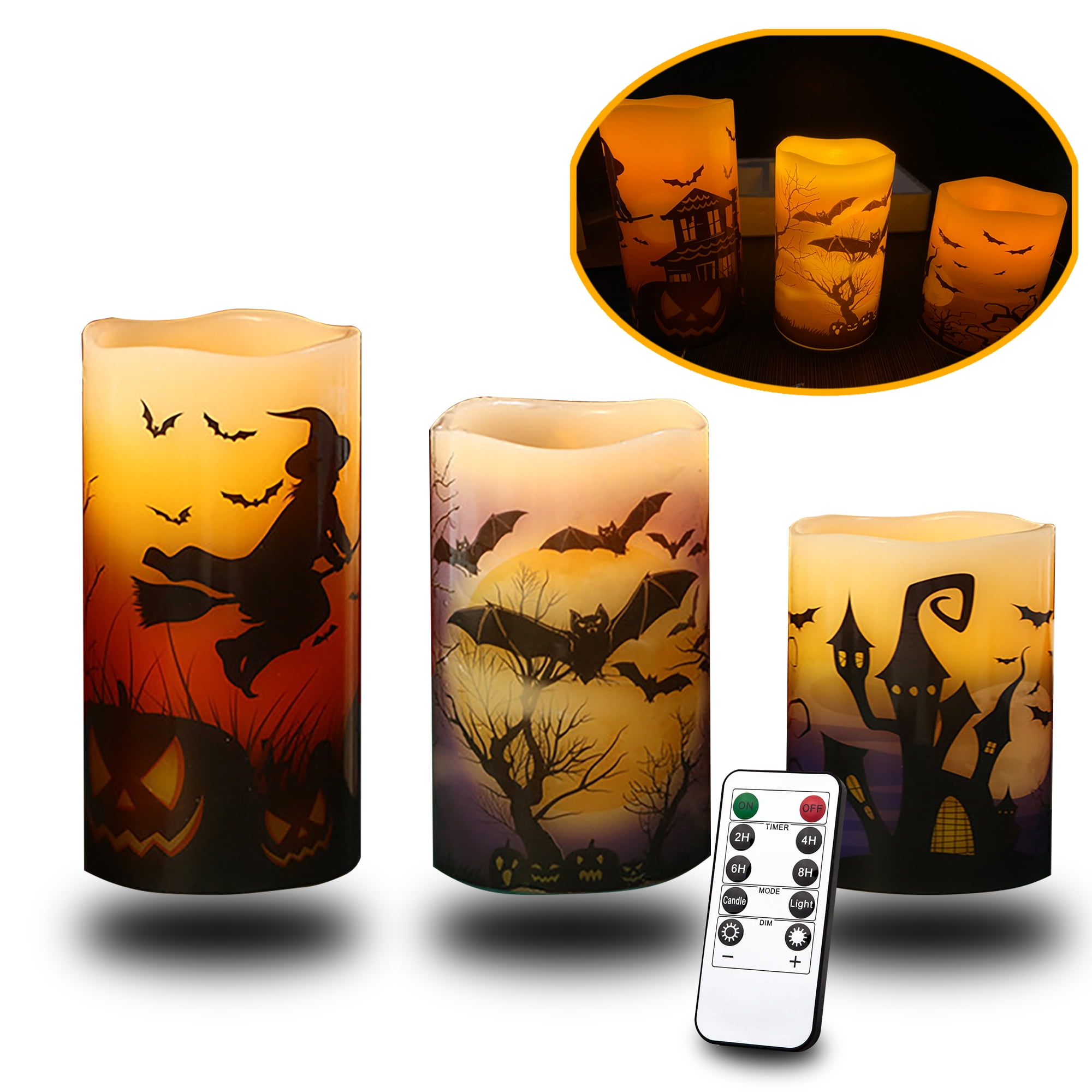
Another prevalent modern custom is the decoration of homes and public spaces. From jack-o'-lanterns carved from pumpkins to elaborate displays of skeletons, ghosts, and cobwebs, people go all out to create a spooky atmosphere. Many families engage in creative activities like pumpkin carving, where they can express their artistic flair while also embracing the fun of Halloween. These decorations not only add to the festive spirit but also provide a sense of connection to the holiday's transformative theme of embracing the eerie and uncanny.
Halloween parties have also become a significant part of contemporary celebrations. Friends and family gather to enjoy themed snacks, engage in games, and share spooky stories. Costume parties encourage guests to dress in imaginative outfits, ranging from classic monsters to popular culture icons. These gatherings often include traditions such as bobbing for apples or sharing ghostly tales, enhancing the sense of camaraderie and spirit that Halloween brings.
In recent years, Halloween has also expanded into a time for community events and festivals. Many towns and cities host parades, haunted houses, and fairs that celebrate the holiday with activities for all ages. These events create a festive atmosphere where people can come together to revel in the joys of Halloween, further solidifying the holiday’s position in modern culture as a time for creativity, community, and delight.
Global Influence on Halloween Festivities
Halloween has evolved into a global celebration, but its roots tell a fascinating story of cultural exchange and adaptation. Originally stemming from ancient Celtic festivals, Halloween was a night for honoring the dead and celebrating the harvest. As the centuries rolled on, this once localized tradition began to spread beyond the British Isles, influenced by various cultures along the way.
In the United States, Halloween took on a life of its own in the 19th century, thanks in part to Irish and Scottish immigrants. They brought their customs with them, including costumes and trick-or-treating, which gradually morphed into the Halloween we know today. However, American Halloween has also absorbed influences from other cultures, from the Latin American celebration of Día de los Muertos to the Asian festivities that honor ancestors. This melting pot of traditions has led to a unique and diverse way of celebrating the holiday.
Across the globe, Halloween festivities manifest in various ways. In Mexico, Día de los Muertos (Day of the Dead) involves vibrant altars, colorful marigolds, and sugar skulls to honor deceased loved ones. Meanwhile, in countries like Japan, Halloween has become increasingly popular but is celebrated with a distinct twist, often characterized by elaborate and creative costumes during parades. Each culture adds its own flavor, creating a rich tapestry of customs that keep the spirit of Halloween alive and exciting.
The global influence on Halloween festivities demonstrates how traditions can evolve and adapt over time. What began as a singular regional celebration has transformed into an international event, reflecting the blending of various cultural practices. This cross-cultural exchange enriches the holiday, making it a joyous occasion for people of all backgrounds to come together in celebration, creativity, and remembrance.